

via Katie Smith
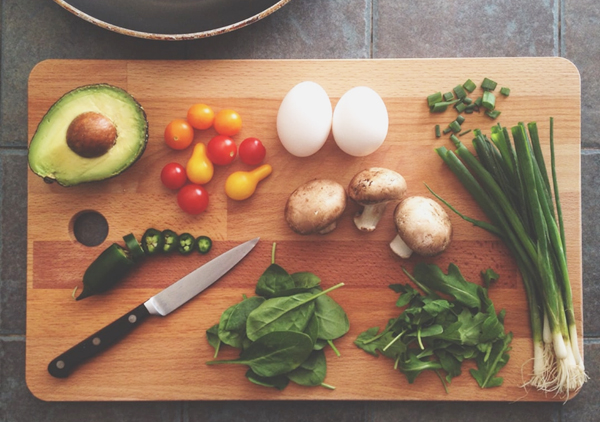
Eating is an essential part of our lives, and meals often become events in themselves during special occasions throughout the year. As we approach our everyday meals—as well as those days with an overabundance of delicious options—it’s important to open a conversation about our mindset around nutrition.
Please note that these tips are guidelines, not rigid rules. If you are noticing patterns of food overindulgence or restrictive tendencies, please consult a registered dietitian, nutritionist, or psychologist for personalized support.
“According to research, people gain the majority of their weight in the last 10 weeks of the year. Cornell University researcher Brian Wansink studies people in three countries and found no one was immune to holiday weight gain,” notes Frances Thomas for CBC Newsday. As a health and fitness coach, it is my duty to ensure my clients are equipped with the tools and strategies to navigate special occasions on track while still embracing the festivities.
Here are a few of my best tips:
1. Mind the Plate Size
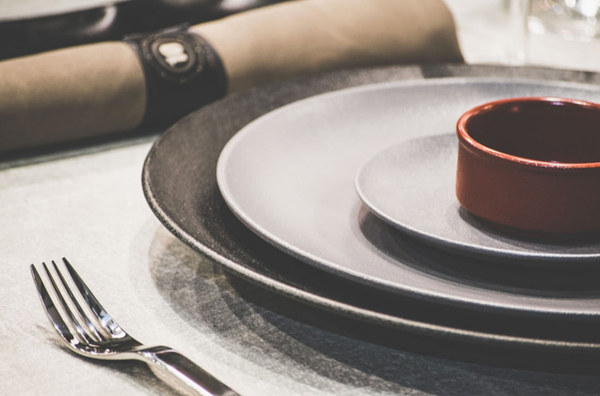
Let’s look at innate vs. learned behavior around food. Innately, our bodies simply do not need the kind of extreme abundance we have at our fingertips; we can thrive on much less than we have learned to indulge in. Yet, dinner plates—and in turn, portion sizes—have grown substantially over the past few decades.
“Since 1960, the overall surface area of an average dinner plate has increased 36 percent,” states Penny Klatell of Eat Out Eat Well. Where traditional dinner plates once measured 7 to 9 inches, we now routinely use plates ranging from 11 to 12 inches.
At your next big holiday meal, try using a salad plate or switching to a 10-inch dinner plate to get a better handle on proper portion sizes. By making this simple switch, you can naturally consume up to 22% less without feeling deprived.

via Pepe Nero
2. Remember: Food is Fuel
Whether we are sitting down to a holiday feast or an everyday lunch, food frequently becomes a go-to tool for reward or punishment. The tough-love reality is that food is simply fuel for your body. No matter how much of a foodie you are (and I am right there with you!), it is vital for our mental well-being not to tie our deeper emotions directly to what’s on our plates.
If you want to reward yourself, try a fun activity or a self-care treatment instead: get your nails done, head out for a scenic hike, take a night off, or run a relaxing bubble bath.
When you feel the urge to overindulge or severely deprive yourself, remind yourself that food is simply the clean fuel that keeps you healthy and energized. If staying on track is truly important to you, make your consistency the priority.
via @opi

3. The 25/28 Rule of Balance
Balance is a term you have undoubtedly heard from every coach under the sun. Let me fill you in on one of the best weekly techniques I use with my own clients: The 25/28 Rule of Balance.
This rule is all about the mindful enjoyment of everything you consume. If you eat four small, well-rounded meals each day, that amounts to 28 meals a week. If you ensure that 25 of those meals are clean and well-balanced, the remaining three “off-plan” meals will not make or break your long-term results—provided they don’t turn into massive overindulgences. Leaving room for a few flexible meals within your week gives you the free reign you need when parties and social gatherings come around. Paired with proper portion sizes and plenty of fluids, finding this simple day-to-day balance will easily carry you through special occasions.
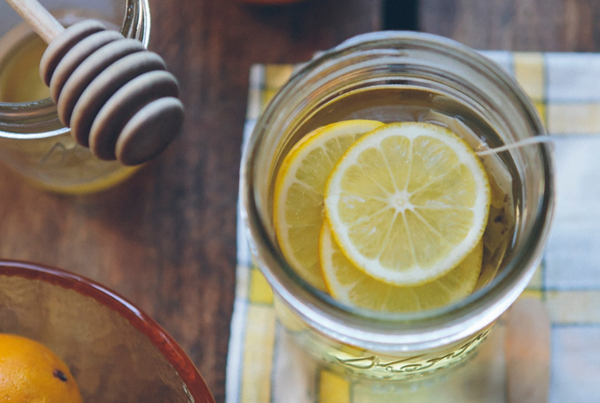
A quick test: Next time you think you’re hungry, drink a large glass of water first. True hydration is constantly offset by caffeinated beverages, alcohol, and diets high in sodium. More often than not, your body is actually just thirsty!
via Anda Ambrosini
4. Support Local Sources
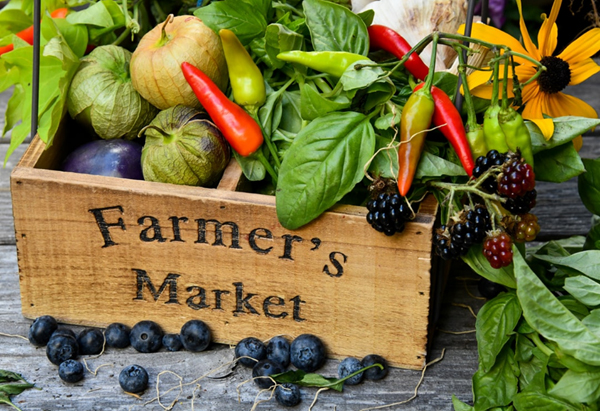
What could be more joyful than strolling down to your neighborhood farmers’ market and filling your table with local preserves and farm-fresh greens? Understanding exactly where the food on your plate comes from and supporting local producers is a beautiful way to invest in your community while simultaneously reducing your carbon footprint.
Staying mindful of our food sources brings a sense of comfort and connection to our purchases. To put this into practice, focus on buying lean, grass-fed meats, loading up on all the seasonal greens you can find, and remembering that nothing beats a nutrient-dense, homemade soup.
Comments are closed.