
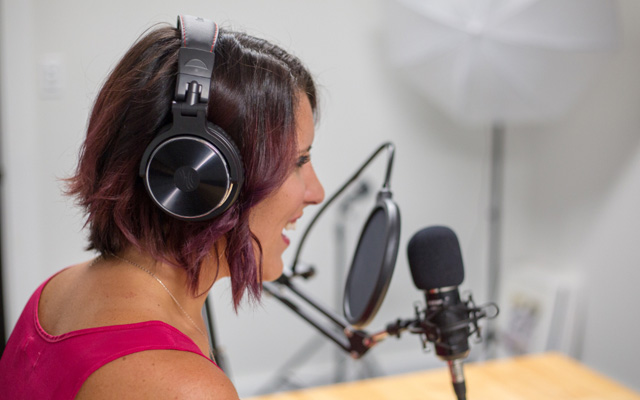
In 2025, Canadian artists pulled in over CAD $544 million in Spotify royalties alone, a 19% jump from the previous year. That number tells a story: homegrown talent no longer needs a record label’s blessing to reach millions of ears worldwide.
From bedroom producers in Calgary to basement vocalists in Halifax, teenagers across the country are uploading tracks, building fanbases, and landing on editorial playlists before they even graduate high school. Platforms like Spotify, TikTok, and YouTube have rewritten the rules of the music industry, and Canadian teens sit right at the centre of this shift.
But raw talent only goes so far. The artists who break through invest in vocal technique and training early, working with coaches who sharpen their sound, protect their developing voices, and prepare them for both the microphone and the stage. This article explores how the Canadian streaming economy works for young artists, why professional vocal coaching matters more than ever, how to pick the right coach, and the concrete steps teens can take to turn bedroom recordings into a real career.
Why the streaming era is a game-changer for Canadian teen musicians
Spotify’s Loud & Clear Canada 2026 report reveals that more than 370 Canadian artists earned over $100K CAD on Spotify in 2025. Even more striking, 92% of those royalties came from listeners outside Canada. Global reach, once reserved for label-backed acts, now starts with a laptop and a distributor account.
A singing tutor plays a decisive role in this landscape. Access to distribution platforms like DistroKid or TuneCore costs almost nothing, but standing out among millions of uploads demands genuine vocal skill. The teens who invest in professional coaching early give themselves a measurable edge in a crowded feed.
Consider the trajectory of artists like Sofia Camara and Jade LeMac. Both started posting music as teenagers, built followings on social media, and now chart nationally. Their stories aren’t flukes. They reflect a bedroom-to-stage pipeline that rewards consistency, authenticity, and polished performance.
Canada’s music streaming market expects a 15% compound annual growth rate from 2025 to 2030. That growth means more listeners, more playlist slots, and more revenue for independent artists. For teens willing to develop their craft, the timing couldn’t be better.

How a singing tutor helps Canadian teens build a professional voice
A singing tutor provides personalized, one-on-one vocal coaching that covers breath control, pitch accuracy, tone quality, range expansion, and vocal health. Unlike group classes or YouTube tutorials, private sessions adapt to the student’s exact strengths and weaknesses.
Teenagers face a unique challenge: their voices are still developing. Hormonal changes during adolescence affect the larynx, vocal cords, and overall timbre. Pushing too hard without proper technical guidance can cause nodes, strain, or lasting damage. A qualified coach recognizes these developmental stages and adjusts the intensity accordingly.
Core skills built during lessons include:
- Warm-up routines that prevent injury
- Ear training for pitch and harmony recognition
- Diaphragmatic breathing mechanics
- Stage projection and microphone technique
- Enunciation across different genres and tempos
Established Canadian vocal academies structure their programs around vocal health first, repertoire second. That philosophy matters. A qualified singing tutor doesn’t just teach technique; they help young artists develop a signature style that translates across streaming platforms and live performances.
What should Canadian teens look for when choosing a singing tutor?
The right coach can accelerate a teen’s growth by months. The wrong one can instill bad habits that take years to undo. Credentials matter, but so do teaching style, genre versatility, and familiarity with what the modern music industry actually demands.
In-person vs. online singing tutors: which is better for teens?
Factor | In-person | Online |
| Feedback quality | Immediate, nuanced | Slight audio lag possible |
| Equipment access | Professional studio gear | Requires good mic and webcam |
| Geographic flexibility | Limited to local area | Available Canada-wide |
| Cost | Often higher | Generally more affordable |
| Comfort level for teens | Can feel formal | Relaxed home environment |
Online vocal coaching has proven comparable to in-person training for many students, especially when paired with a decent USB microphone and stable internet. Many top Canadian vocal studios now offer hybrid models through Zoom, Skype, or FaceTime to accommodate busy teen schedules. For students in rural or remote communities, online lessons remove geographic barriers entirely.
Questions to ask before booking your first lesson
Before committing to a coach, teens (and their parents) should get clear answers to a few key questions:
- Do you have experience working with developing teen voices?
- What vocal method or curriculum do you follow (Royal Conservatory, proprietary methods, or a blend)?
- Do you offer a trial lesson or initial assessment?
- Can you help with audition prep, songwriting, or recording, not just technique?
A coach who answers “yes” to all four likely understands the full picture of what a teen artist needs in 2026.
From vocal warm-ups to viral hits: building a music career step by step
Talent without a plan stays invisible. Here’s a practical roadmap for Canadian teens ready to move from casual singing to something sustainable.
- Start with vocal coaching. Build a solid foundation: breath control, range, healthy technique. This isn’t optional. It’s the bedrock everything else rests on.
- Record demos at home. Use affordable tools like GarageBand, Ableton, or BandLab paired with a USB microphone. Share rough cuts with your coach for feedback before finalizing.
- Distribute your music. Platforms like DistroKid and TuneCore put your tracks on Spotify, Apple Music, and YouTube Music for a small annual fee.
- Build an online presence. Post covers, behind-the-scenes content, and original songs consistently on TikTok, Instagram, and YouTube. Consistency beats perfection.
- Seek live performance opportunities. Open mics, school talent shows, local festivals, and recitals organized by vocal studios all count. Every stage appearance builds confidence and stagecraft.
- Apply for Canadian funding. Programs like FACTOR and provincial arts councils offer grants that cover recording costs, music videos, and even touring expenses for emerging artists.
The teens who follow this path don’t just wait to be discovered. They build something tangible, track by track.

How Canadian vocal training programs prepare teens for the stage
Canada offers a robust vocal education landscape. The Royal Conservatory of Music, ABRSM, and Trinity College London all administer graded vocal exams recognized across the country. In several provinces, these certifications count toward high-school credits, giving students academic value alongside artistic development.
Structured programs help teens set milestones. Graded assessments track progress with certificates that strengthen university audition portfolios and industry applications. For a 15-year-old with no professional connections, a Grade 8 RCM certificate signals dedication and skill to admissions committees and talent scouts alike.
Many Canadian music academies go beyond the practice room. They organize performance recitals, ensemble festivals, and collaborative stage projects that bridge the gap between rehearsal and real-world performing. That transition, from singing alone in a bedroom to holding a microphone under lights, requires repetition in low-stakes environments.
Genre versatility also matters. The best programs expose teens to pop, R&B, rock, musical theatre, and classical repertoire. Exploring multiple styles helps a young singer discover what feels authentic and develop a signature sound that resonates with listeners.
Leveraging social media and streaming analytics as a young Canadian artist
Spotify for Artists, YouTube Analytics, and TikTok Creator tools give teens data that major-label artists couldn’t access a decade ago. These dashboards show audience demographics, geographic hotspots, play counts, and save rates. Understanding this data helps young artists refine their content strategy and double down on what works.
Fans discovered Canadian artists for the first time over 3.56 billion times on Spotify in 2025. That discovery potential is massive, but capturing attention requires more than uploading a track and hoping for the best. Consistent content creation, including vocal exercises, cover songs, original snippets, and behind-the-scenes moments, builds an authentic brand that turns casual listeners into loyal followers.
Spotify’s SongDNA feature also makes the creative process more visible, giving credit to songwriters, producers, and collaborators. For teens learning the business side of music, this transparency reinforces the importance of crediting everyone involved and understanding how royalties flow.
A singing tutor can help teens prepare polished vocal content for social media. Raw talent grabs attention for a moment. Refined, intentional performance keeps people coming back.
FAQ
How much does a singing tutor cost in Canada?
Rates depend on the coach’s experience and lesson format. Online singing tutors on platforms like Superprof average around $45 per hour, while established vocal academies may charge more for in-person sessions. Many coaches offer trial lessons so you can find the right fit before committing to a package.
At what age should a teen start working with a singing tutor?
Most children can begin basic voice lessons around age 8, but teens aged 13 and up hit an ideal window for more intensive training. Their voices are actively developing, and they can grasp technical concepts more easily. A qualified coach adapts their approach to each student’s developmental stage to avoid strain.
Can online singing lessons be as effective as in-person vocal coaching?
Yes, provided the student has a reliable internet connection, a decent microphone, and a webcam. Many top Canadian vocal coaches teach via Zoom or FaceTime with results comparable to in-studio sessions. This format makes professional training accessible to teens in remote or rural areas across the country.
Comments are closed.