
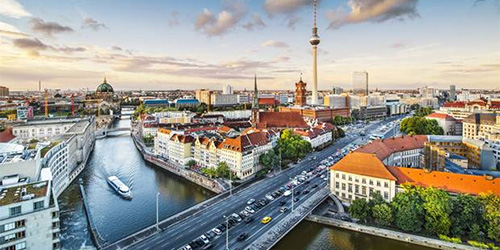
David Bowie once called Berlin “the greatest cultural extravaganza that one could imagine.” He wasn’t exaggerating. We got to experience a little of it ourselves on a European trip with Eurail—and Berlin ended up being one of our favourite stops. We only had one day, which is nowhere near enough time for a city like this, but we packed in as much as we could. Here’s what made the cut.
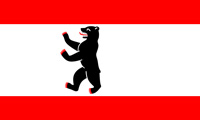
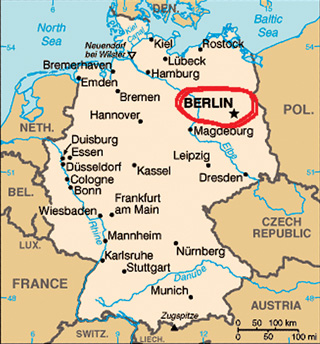
BERLIN STATS & QUICK FACTSPopulation: 3.4 million.
|
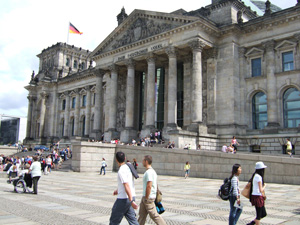
The Reichstag is home to Germany’s parliament—and one of Berlin’s most recognizable landmarks. Badly damaged during World War II, the historic building was eventually restored and given a striking modern update, including the huge glass dome that now rises above it. It’s a pretty perfect snapshot of Berlin itself: layers of complicated history mixed with something distinctly modern.
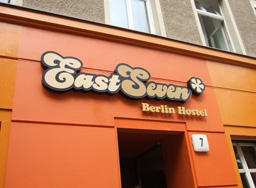
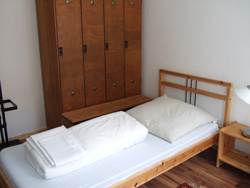
Berlin has always been a great city for doing Europe on a budget, with a huge backpacker and hostel scene that makes it easy to stay somewhere central without spending your entire travel budget on a bed. EastSeven is one of the city’s longtime hostel names, with a social, laid-back vibe that works especially well if you’re travelling solo or looking to meet people along the way.
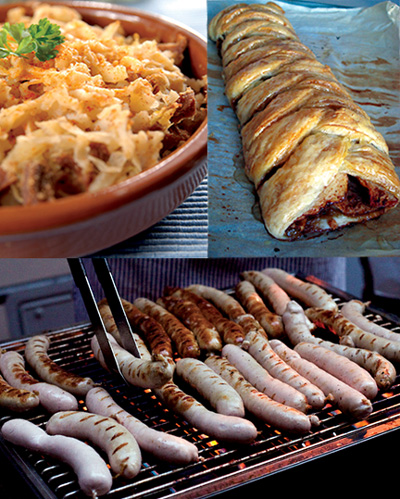
Berlin might not be the first city that comes to mind when you think foodie destination, but the food scene is seriously good—and there’s plenty to eat at every budget. You can go classic with bratwurst, sauerkraut and apple strudel, but definitely make room for currywurst. The Berlin staple—sausage topped with a curry-spiced sauce—is everywhere, and somehow exactly the kind of thing you want after a long day exploring the city.
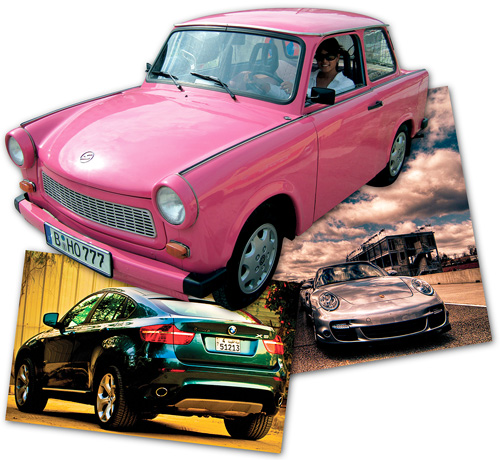
Meet the Trabi. Once a fixture on the streets of East Germany, the tiny Trabant was essentially the East German answer to the VW Beetle—although with just 18 horsepower, nobody was getting anywhere particularly fast. Today, spotting one in Berlin feels like running into a little piece of the city’s Cold War past, only much cuter than your average history lesson.
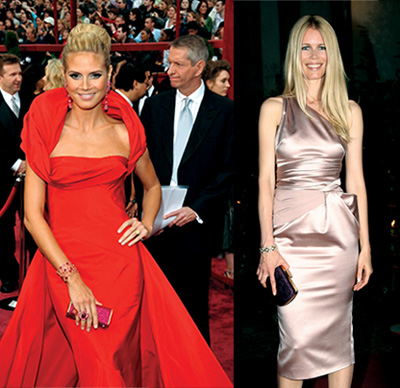
Two of the country’s most famous exports are supermodels Heidi Klum and Claudia Schiffer.
Faze founder, Lorraine, tries to break down what’s left of the infamous Berlin wall.
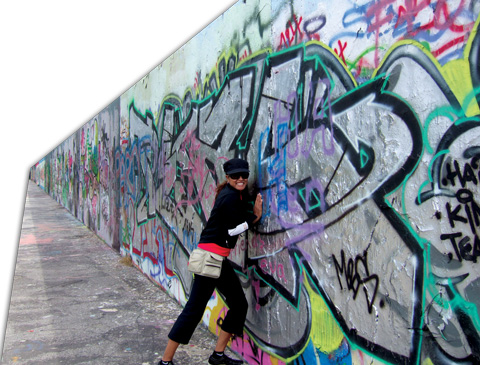
The Berlin Wall
After World War II, Germany was divided into four occupation zones controlled by the United States, Britain, France and the Soviet Union. Berlin, although located inside the Soviet zone, was divided as well. By 1949, those divisions had hardened into two countries: democratic West Germany and communist East Germany.
The problem for East Germany? People were leaving—millions of them. Many escaped through Berlin, where it was still possible to cross from East to West. In August 1961, the East German government put a stop to that by sealing the border and building what would become the Berlin Wall.
For the next 28 years, the Wall divided not just a city, but neighbourhoods, streets, friends and families. More than 100 people died trying to cross it.
Then came 1989. As communist governments across Eastern Europe began to lose their grip, protests grew inside East Germany and increasing numbers of East Germans found ways to leave the country. On November 9, following a confusing government announcement suggesting travel restrictions were being lifted, thousands of people headed to the border crossings. Overwhelmed guards eventually opened the gates.
Berliners poured through. People climbed onto the Wall, celebrated together and began chipping pieces from the concrete that had divided their city for nearly three decades.
Less than a year later, East and West Germany were officially reunited.
Today, pieces of the Berlin Wall have ended up in museums and collections around the world, but seeing what remains of it in Berlin hits differently. It’s one thing to know the history. It’s another to stand where a wall once separated an entire city—and realize that it came down within the lifetime of people you probably know.
MORE BERLIN STATS & QUICK FACTS• The city of Berlin emerged in the late 12th century from two merchant settlements on either side of the Spree River. It is the capital of Germany, as well as the capital of the city state of Berlin. • Berlin is a significant source of culture, and a major centre of European media, politics and science. • Along with Buenos Aires and Montreal, UNESCO has appointed Berlin a City of Design—an honourable title reflecting a strong contemporary art scene, interesting architecture and an established design industry.
|
FOR MORE INFORMATION VISIT:
An interactive site about the Berlin Wall: www.die-berliner-mauer.de
Germany’s official site about the city of Berlin: www.berlin.de
Comments are closed.