
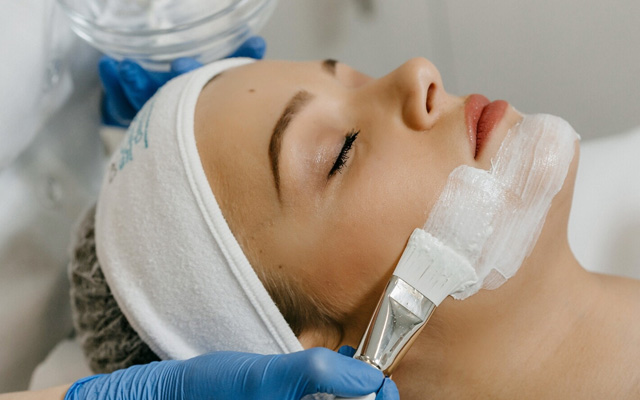
The Glow Factor: A Definitive Guide to London’s Best Facial Treatments
In an image-conscious city where “daylight-ready” skin is the ultimate currency, the quest for a truly radiant complexion has moved beyond social media filters. In London, searches for a glowing skin facial London are driven by a sophisticated mix of curiosity and high booking intent. Readers aren’t just looking for vague, “pampering” language; they want a complexion that appears luminous, hydrated, smooth, and healthy. Whether it’s preparing for a high-profile event, correcting a stubborn skin issue, or simply feeling that home skincare has hit a plateau, the search begins when the skin feels like it needs professional intervention.
Understanding the “Glow” Intent
The typical reader behind this search is trying to solve a practical problem. They are often dealing with dullness, a flat texture, or that persistent sense that their skin looks tired even under well-applied makeup. In a city where stress, pollution, and unpredictable weather are constant variables, the skin often loses its ability to reflect light.
Booking a glowing skin facial in London is rarely a purely indulgent decision; it is a visible investment. This audience includes busy professionals, event-goers, and beauty-conscious clients who need a polished but believable finish. They balance their skin goals against time and budget, meaning they want enough information to make a smart choice, but they aren’t interested in overblown jargon. They want to know what a treatment improves, how quickly results show, and whether a single session or a consistent rhythm makes the most sense.
Why Treatment Structure Matters
One of the most significant misunderstandings in the beauty industry is that all facials in the same category are roughly equivalent. They are not. A successful treatment works because its structure is logically sound. A high-quality facial should include strategic brightening, deep hydration, and gentle surface refinement. Each step must serve a purpose, moving the skin toward a healthier state without pushing it unnecessarily hard.
Results should always be judged in real-world terms. Does the skin look cleaner? Does it feel more comfortable? Is there a tangible brightness and a more even surface? If the answer is yes, the treatment was likely chosen and delivered with expertise. If the skin simply looks irritated or heavily coated in product, the appointment may have been more “show” than substance. Readers are right to care about these technical details; they are exactly what determines whether a facial feels genuinely worthwhile.
The Art of Choosing a Clinic Intelligently
In a city with as many options as London, the choice of clinic often shapes the result as much as the treatment name itself. A top-tier practitioner starts by asking the right questions: what are the client’s goals, what products are they currently using, and how has their skin behaved recently? This dialogue ensures the treatment is tailored rather than generic, protecting against the common error of treating every face with a “one size fits all” routine.
Clarity is the hallmark of a great clinic. They should be able to explain exactly what the facial targets, who it suits best, and whether any downtime is likely. Overblown promises are a red flag; grounded, precise explanations are the sign of a trustworthy expert. This is especially true for readers exploring expert facial treatments in London. The best clinics speak with precision, explaining not just what a treatment does, but why it is the right choice for that particular skin concern at that particular moment.

The Crucial Role of Customization
Customization is why professional treatments consistently outperform a random mix of high-end home products. Two clients can walk into a clinic with what looks like the identical issue and still require different treatment paths. One may be suffering from dehydration they haven’t recognized, while another needs a careful deep cleanse to manage congestion. A third might benefit from a treatment that is significantly gentler than they expected because their skin barrier is already stressed.
This is why menu names are never enough. A skilled practitioner adjusts the intensity, timing, and product selection to suit the individual. When this is done correctly, the skin looks improved rather than overworked. Modern facial care is all about this balance. Readers want visible change, but they also want skin that remains calm and healthy. Precision creates that result far more reliably than brute force.
Managing Expectations and Results
A facial can absolutely transform how skin looks and feels, but the best results are usually elegant rather than extreme. Clients typically notice better hydration, smoother texture, and more even light reflection. Depending on the specific concern, one treatment can be enough to create a clear visual lift. However, more persistent issues usually respond best over a course of appointments.
This realism is not a weakness; it is what makes facial treatments so attractive for a busy lifestyle. They fit into normal life, creating a polished result without requiring long recovery periods. For those searching for a glowing skin facial in London, believable improvement is the ideal. Skin that looks healthier and better maintained is far more appealing than skin that looks obviously over-treated.
Preparation, Timing, and Aftercare
Preparation significantly influences the success of a facial. Clients get the best experience when they choose a treatment with sensible timing. If the goal is event preparation, leaving a small buffer allows the skin to settle and the hydration to peak. Arriving with honest information about recent exfoliation, prescription products, or sensitivities allows the clinic to work with much higher accuracy.
Furthermore, a facial does not end when the treatment room door closes. The hours and days following an appointment shape how well the result holds. This doesn’t require an elaborate routine—in fact, simpler is almost always better. Gentle cleansing and steady hydration are usually enough. The mistake many make is assuming that because the skin looks better, it can tolerate a barrage of “active” products immediately. Thoughtful aftercare protects the finish and ensures you get the full value from your booking.
Why aftercare still matters
A facial does not end when the treatment room door closes. The hours and days afterwards often shape how well the result holds. This does not usually require an elaborate routine. In fact, simpler is often better. Gentle cleansing, steady hydration, and reliable sun protection are usually enough to support the work that has just been done. The mistake is to assume that because the skin already looks better, it can tolerate a lot more immediately afterwards.
This is especially important when clients have a habit of layering too many active products at home. A good facial often puts the skin in a more receptive, comfortable state, but that does not mean it needs to be pushed again the same night. Thoughtful aftercare protects the finish, reduces the risk of irritation, and often helps the result look stronger the next morning. That is a small but important part of getting full value from the appointment.

Maintenance vs. “Rescue” Bookings
Many clients treat facials as emergency interventions, waiting until the skin feels rough or tired before attempting to reverse the damage in one session. While this can work, it isn’t the most efficient route. Maintenance usually produces superior results because the skin spends more time in a balanced state and less time recovering from neglect.
In an urban environment, where pollution, stress, and weather shifts are constant, regular treatments act as a sensible form of maintenance rather than a luxury. By choosing treatments wisely and repeating them often enough, you keep the skin moving in the right direction. The best treatments are those that look controlled and intelligent from start to finish, avoiding the “surface shine” trap in favor of deeper skin quality.
Navigating the “Intensity Trap”: Common Pitfalls
One of the most frequent errors in the pursuit of radiance is chasing “surface shine” at the expense of genuine skin quality. There is a significant difference between skin that is truly luminous and skin that is merely temporarily slicked with product. Similarly, many clients fall into the “intensity trap,” assuming that a more aggressive or painful treatment automatically yields a higher value. In professional skincare, stronger is rarely synonymous with better. If a facial leaves the skin feeling raw, tight, or uncomfortably inflamed, it has likely bypassed the threshold of utility and entered the realm of irritation. The most effective treatments are those that appear controlled, measured, and intelligent from start to finish.
This lack of restraint often extends into the post-treatment phase. It is remarkably easy to undermine a professional result by ignoring the necessity of proper aftercare. Even the most sophisticated appointment requires a few days of “sensible support”—specifically, a pivot toward calm cleansing, barrier-focused hydration, and uncompromising sun protection. The impulse to overload the skin with potent “actives” or harsh exfoliants immediately after a facial is one of the fastest ways to compromise an otherwise excellent result. Readers who master these fundamental basics tend to derive significantly more value from their bookings, understanding that a truly successful treatment continues long after they have left the clinic.
A Strategic Framework for Booking
For those ready to move from research to reality, an intelligent booking framework is essential. The first step is to isolate the primary skin objective: is the priority congestion management, deep hydration, surface refinement, or immediate event preparation? Once the goal is clear, evaluate potential clinics based on the transparency of their communication. A reputable practitioner will explain exactly who a treatment suits and what the specific, grounded outcomes will be.
Timing is the next critical variable. While some facials are designed for a “red carpet” finish on the day, others—particularly those involving deeper exfoliation or extractions—are better booked three to five days in advance to allow the skin to settle into its peak radiance. Finally, think beyond the individual appointment. The most successful results come from a clinic that views your skin as a long-term project, offering advice on home-care adjustments and a sustainable maintenance rhythm. In a city saturated with options, the goal isn’t to find the most famous menu; it’s to make a single, well-judged choice based on clarity and expertise.
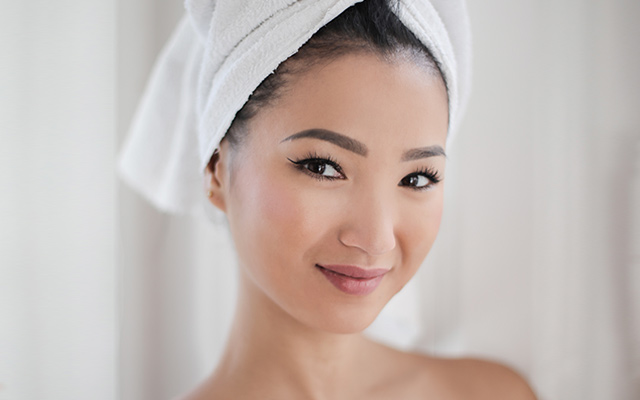
The Psychology of Glow: More Than a Beauty Signal
“Glow” has become a dominant beauty goal because it acts as a shorthand for several indicators of health at once. Skin that reflects light evenly communicates that the barrier is hydrated, the texture is smooth, and the overall system is functioning optimally. It is a signal of being well-rested and disciplined in one’s self-care, which is why it remains a cornerstone of both beauty editorial language and consumer search. It is an accessible way to describe high-functioning skin without getting lost in clinical terminology.
However, achieving a genuine, “from-within” glow is more complex than the term implies. It is a quality signal that only appears when the skin barrier is calm, surface cell turnover is refined, and moisture levels are restored to the deeper layers. This is precisely why professional treatments are so transformative; they go beyond the surface shine provided by topical oils to address the physiological conditions that allow light to bounce off the skin naturally. When these factors align, the result is a complexion that doesn’t just look “done,” but looks intrinsically healthy.
Frequently Asked Questions
What creates a genuine glow after treatment?
Hydration, better surface smoothness, reduced build-up, and a comfortable barrier all contribute to natural-looking radiance.
Are glow facials only for special occasions?
No. They are popular before events, but they also work well as regular maintenance for clients who want consistently fresher-looking skin.
How can I help the result last longer?
Keep aftercare simple, avoid over-exfoliating immediately afterwards, and maintain good hydration and sun protection.
Comments are closed.