

image pixabay

Not so long ago, gaming was pretty much an entirely separate branch of entertainment. It came with its own magazines, specialist shops, and a dedicated audience. This no longer seems to be the case. Games are now having a huge impact and influence on music, film, and social media. There are even personalities in the gaming sector who are now seen as true celebrities.
Many of these changes have been driven by younger audiences who don’t necessarily separate entertainment into traditional categories. Someone might watch a television series, spend an hour gaming, follow a streamer and discover new music through TikTok during the same evening. Gaming fits extremely well into that mix, particularly when so many games now contain social and entertainment elements that go well beyond the actual gameplay.
Games Have Become Social Spaces
Of course, multiplayer games have now been around for decades, but the games of today bring more to this. They have become a place where people meet as well as compete. With voice chat, messaging, and shared virtual environments, groups can spend time together, even when they are physically apart.
Fortnite has got to be the most obvious example of how far this concept can go. The game has hosted virtual concerts, film-related events and collaborations with major entertainment brands, turning its digital world into a platform capable of promoting wider popular culture.
This mix of activities can also be seen across other forms of digital entertainment. People move between console games, mobile apps, and streaming services, with some choosing to play Spin and Win, with smartphones providing access to numerous forms of entertainment from a single screen. The result is an increasingly crowded market where platforms compete for your leisure time rather than simply against businesses offering an identical product.
Esports Created A New Kind Of Celebrity
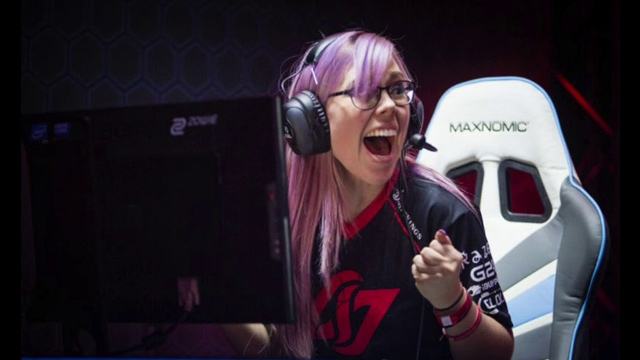
The rise of professional gaming has also changed how people look at modern gaming, with the realisation that it can be a true career path. Leading esports players are able to build international followings, compete in major venues, and attract massive sponsorship deals. Then there are successful streamers who can grow audiences without the need to follow a traditional media career path.
Their appeal extends beyond their ability to play a particular game. Viewers soon become interested in personalities, friendships, rivalries and controversies. This then creates many of the same ingredients that have always surrounded musicians, actors and sports stars.
Streaming has strengthened this connection because audiences can spend hours watching and interacting with individual creators. Instead of encountering a celebrity primarily through finished films, albums or television appearances, viewers can potentially hear from a gaming personality several times each week.
Pop Culture Is Moving Into Games
It can be said that the relationship between gaming and pop culture works both ways. Entertainment companies realise that games are a place where massive audiences can be reached, especially when looking to promote films, new music, or TV shows.
Fashion has entered this space, too. Virtual clothing obviously has no physical existence, yet players can still value its appearance, rarity or association with a particular brand. This can seem unusual when judged by traditional ideas of ownership, but younger consumers have grown up buying digital entertainment and maintaining online identities.
Mobile Entertainment Keeps Expanding
The smartphone has certainly done more than any other device to bring different forms of entertainment together. Social media, music, video, games and messaging all sit within the same device, meaning the competition for attention is immediate.
Gaming companies have responded by developing products around shorter sessions and touchscreen controls. That applies to conventional mobile games as well as adult-only categories such as online slots, which have similarly moved from desktop-focused websites towards mobile interfaces.
The success of mobiles and their use for entertainment is all down to technological developments. The rollouts of 4G and 5G mean that people can access streams, games, and films no matter where they are, without the same lag issues that once existed. Then there is HTML5 that has allowed games to work perfectly on the smaller screen. This has led to developers taking a mobile-first approach when it comes to new games.
Traditional Entertainment Is Responding
Film and television companies have spent years trying to adapt successful video games, with decidedly mixed results. More recent productions have demonstrated that game adaptations can attract mainstream audiences when the original material is treated seriously.
The Last of Us became a major television production, while Fallout reached viewers who had never played the games. The Super Mario Bros. Movie demonstrated the commercial potential on the cinema side, drawing on characters recognised across several generations.
These adaptations also show how gaming intellectual property has matured. Publishers aren’t simply selling individual games anymore. Successful characters and fictional worlds can support television programmes, films, merchandise and other entertainment products all at once.
Comments are closed.